Author: Noman

  • Why your best ideas slip away: the case for imperfect note capture

    I used to think good note‑taking meant perfect organization. Color‑coded folders, nested tags, a neatly sorted archive. The problem? I spent more time organizing than actually thinking. Most of my best ideas arrived during a walk, in the shower, or right before sleep — moments when I couldn’t reach a polished system. By the time I found the right folder, the thought was gone. That’s when I realized the real bottleneck isn’t organization; it’s the gap between having an idea and recording it. The smaller that gap, the more ideas survive. So I stopped trying to capture perfectly and started capturing anything, even if it meant a messy pile of half‑baked fragments.

    The shift changed everything. I began treating every stray thought as raw material instead of waste. A weird observation during a meeting. A sudden solution to yesterday’s problem. A sentence from a podcast that made me pause. I wrote them all down in one place, with zero judgment. The result wasn’t a clean archive — it was a chaotic, unreadable mass of text. But over time I noticed patterns. Some fragments connected weeks later. Others turned into blog posts or project ideas. The mess worked because it mirrored how my mind actually works: nonlinear, associative, full of dead ends and sparks.

    After trying many systems, I found that the simplest approach works best. A tool like The Tezo focuses on that first step: getting the thought down before it evaporates. No folders, no tags, just a blank field and a button. That’s all you need for the hardest part — the capture itself. Once the idea is safe, you can organize it later. Or never. The point is to lower the barrier to zero. Most of my captured notes never get sorted. They sit there as raw potential, and that’s okay.

    The concept isn’t new. I’ve read about “inbox zero” for notes and “capture habits” from productivity blogs. But the real trick is ruthless simplicity. If your capture tool requires a decision — which notebook, which app, which tag — you’ve already lost the thought. I’ve seen people open Notion, create a new page, pick an icon, select a database, and then forget why they opened it. That’s the enemy. The best capture is frictionless to the point of being stupidly simple. A single input field. No options. No pressure.

    The science of forgetting and why speed matters

    Psychologists talk about the “forgetting curve.” Information fades fast unless we reinforce it. But the real loss happens in the first few seconds. The moment your conscious mind registers a thought, you have maybe two seconds to act before it slips into short‑term memory and then out forever. That’s why writing it down immediately beats any later attempt to recall. Speed isn’t a luxury — it’s the difference between keeping and losing an idea. I’ve tested this with myself: if I don’t write down a half‑formed thought within five seconds, it’s gone. Not forgotten, but gone as in the neural path decays and I can’t reconstruct it.

    The best capture processes use physical or digital methods that require zero cognitive overhead. A pocket notebook. A voice memo. A single text file. The key is that the capture action doesn’t interrupt the flow of thought. You want to bottle the idea while it’s still fizzing, not wait until it goes flat.

    “The most dangerous kind of thought is the one you almost write down but don’t. It feels like it will come back, but it rarely does.”

    Why polished notes often contain the least value

    I used to believe that a well‑written note was a good note. Grammar corrected. Structure clear. I’d rewrite sentences until they sounded smart. Then I realized that polishing a note often strips away the raw energy of the original idea. The awkward phrasing, the weird analogy, the half‑baked metaphor — those carry the emotional and cognitive spark. Perfect prose is for publishing, not for capturing. Capture should preserve the rough edges because those edges hold the insight. Later, when you review, you can refine or discard.

    Consider the difference between a seed and a tree. A seed looks like a dry speck. It’s unimpressive. But inside it holds the entire genetic blueprint. A polished note is like a sapling — visible, neat, but already constrained by its shape. A raw capture is the seed. It can grow in any direction. Most of my valuable ideas started as a single cryptic line: “What if email were like a conversation?” or “The problem with time tracking is that it tracks time, not attention.” Those lines are ugly. They contain no context. But they contain the core.

    How to stop organizing and start connecting

    Organization is a trap when it replaces thinking. I’ve seen people spend hours building a perfect folder hierarchy for their notes and then never open the folders again. The real value happens in the connections between ideas, not in their categorization. You can have a thousand notes neatly sorted into “Work,” “Personal,” and “Hobbies,” and still feel stuck. But if you let your notes live in a single pile and then occasionally sift through them, you start to see unexpected links.

    • Write every thought in one place, even if it’s a mess.
    • Review the pile once a week. Look for two notes that might fit together.
    • When you see a connection, write it down as a new note. Let the old ones stay messy.

    This method works because it mimics how memory actually works. Your brain doesn’t store facts in tidy folders. It stores them in a network. A single idea can connect to emotions, places, sounds, and other ideas. Your capture system should preserve that network potential, not flatten it into neat silos. I stopped using separate notebooks for work and life. I stopped tagging everything. I just wrote. The mess became a map.

    The link between capture quantity and creative output

    I’ve never regretted capturing a bad idea, only good ones I let slip. Quantity creates quality. That’s not a motivational platitude — it’s a numbers game. The more raw material you have, the higher the chance you’ll stumble on something worth developing. Every writer knows that your first ten drafts are usually garbage. But you need those ten to get to the one that works. Capture works the same way. You need

  • Becoming a savvy parent: Essential baby products for early years

    As a new parent, stepping into the world of baby products can feel overwhelming. From diapers to toys, the choices can be endless and confusing. You want items that are not only safe but also beneficial for your baby’s development. Learning how to navigate this landscape requires research, experience, and insights from those who’ve been there. After years of trial and error with my little ones, I discovered some essential products that genuinely make life easier—especially when it comes to playtime and teething.

    One item that has stood out in our house is the sophie la girafe store, which specializes in a beloved teething toy. Many parents rave about Sophie, the giraffe, made from natural rubber and designed specifically for babies. It’s not only appealing to young children but also crafted with safety in mind. But beyond just Sophie, I found that understanding the whole ecosystem of baby products can lead to smarter choices down the line.

    Choosing safe toys: What to consider

    When selecting toys for infants, safety should be your top priority. Babies explore their world through touch—and often taste—so products must be free from harmful chemicals. Look for toys made from organic materials or non-toxic substances. In addition to safety regulations, think about the design. A good toy stimulates sensory exploration without being overly complicated or flashy.

    Consider these points while shopping:

    • Materials: Opt for organic or BPA-free materials.
    • Size: Avoid small parts that could pose choking hazards.
    • Ease of cleaning: Look for washable options since babies tend to drool on everything.

    The benefits of natural rubber for infants

    Naturally derived rubber toys like Sophie aren’t just fun; they have real benefits too! They are soft yet durable, easy for tiny hands to grasp and manipulate. The texture is gentle on sensitive gums, providing some relief during the teething stage. It’s fascinating to see how a simple toy can promote motor skills and hand-eye coordination as babies pick up and explore their surroundings.

    A feature often overlooked is the sound these toys make; versatile squeaky sounds capture an infant’s attention and help develop hearing skills as your child learns to distinguish different sounds around them.

    Simplifying your home with multifunctional gear

    Once you’ve invested in quality toys, think about multifunctional equipment that can serve multiple purposes throughout your baby’s early growth stages. For instance, a baby play gym can double as an area where your little one practices tummy time while observing hanging toys or mirrors above them—a great way to combine play with essential developmental activities!

    A few other multipurpose items I recommend include:

    • Convertible cribs that turn into toddler beds.
    • Play mats that transition into storage bags for easy cleanup.
    • Bouncers that are portable and act as both seats and play areas.

    Cultivating bonding moments through play

    Toys are not solely for entertainment—they provide a platform for bonding between parents and their babies. Set aside dedicated playtime where you engage actively with your child using their favorite toys. This interaction encourages social-emotional development while strengthening family relationships. Beyond just having fun together, you’re helping them learn problem-solving skills as they navigate how things work through play.

    The journey through parenthood leads us down various paths filled with joys and challenges alike. Armed with knowledge about baby products like Sophie la girafe along with an understanding of what contributes positively towards their growth offers peace of mind while reducing stress levels associated with these choices. With thoughtful selections tailored toward safety and function, you’ll be well on your way toward creating a nurturing environment for your little explorer!

  • Creativiteit en structuur verenigen zich in krachtige teksten met Lisa

    Voor wie zijn ideeën helder en aantrekkelijk wil verwoorden, is het cruciaal om creativiteit te combineren met een doordachte aanpak. Met een unieke benadering ontstaan er teksten waarbij fantasie en organisatie elkaar aanvullen. Deze balans zorgt ervoor dat jouw boodschap krachtig overkomt, precies zoals jij dat wilt. Neem de stap naar impactvolle communicatie en zie hoe het jou helpt te groeien. Meer weten? Bezoek qbet voor het ontwikkelen van jouw teksten.

    Technieken voor het stimuleren van creativiteit in schriftelijke communicatie

    Begin met het verkennen van mindmapping. Dit helpt om ideeën vrij te laten stromen en onverwachte verbindingen te ontdekken. Trek lijnen tussen concepten en creëer een visuele representatie van je gedachten. Het resultaat is een netwerk van ideeën dat je kunt gebruiken bij het schrijven.

    • Gebruik visuele hulpmiddelen zoals diagrammen en afbeeldingen om de tekst te verrijken.
    • Probeer brainstorming sessies met collega’s of vrienden om verschillende perspectieven te verzamelen.
    • Verander je schrijfomgeving; soms kan een nieuwe plek anderen inzichten brengen.

    Een andere techniek die les geeft in samenhang is het toepassen van spontane schrijfmethodes. Dit kan bijvoorbeeld met vrije associatie of door het schrijven van een kort verhaal zonder onderbrekingen. Deze aanpak stimuleert niet alleen de fantasie, maar helpt ook bij het ontdekken van een unieke schrijfwijze. Door de nadruk te leggen op het proces, ontstaat er ruimte voor nieuwe ideeën die anders misschien onopgemerkt zouden blijven.

    Structureren van teksten voor betere leesbaarheid en impact

    Begin met een heldere indeling. Gebruik alinea’s om verschillende ideeën of onderwerpen te scheiden. Dit helpt de lezer om snel te begrijpen waar de tekst over gaat en zorgt ervoor dat belangrijke informatie niet verloren gaat.

    Maak gebruik van opsommingen en nummeringen. Dit creëert visuele hiërarchie en maakt het gemakkelijker om bepaalde elementen te benadrukken. Bovendien vergroot het de kans dat de boodschap blijft hangen bij de lezer.

    Vermijd lange zinnen. Korte, bondige zinnen zijn gemakkelijker te volgen en houden de aandacht vast. Door de complexiteit te verminderen, ontstaat er meer ruimte voor de boodschap om echt binnen te komen.

    Blijf consistent met de lay-out. Zorg ervoor dat kopjes en subkopjes duidelijk zijn en een logisch verloop volgen. Dit helpt niet alleen bij de leesbaarheid, maar ook bij het creëren van een samenhangend geheel.

    Gebruik overgangszinnen om een vloeiende overgang tussen alinea’s te maken. Dit draagt bij aan de samenhang van de tekst en zorgt ervoor dat de lezer geen belangrijke connecties mist tussen verschillende gedeelten.

    Tot slot, herlees je tekst. Kijk niet alleen naar de inhoud, maar ook naar de opbouw. Kleine aanpassingen kunnen een groot verschil maken in hoe de boodschap overkomt en de impact die deze heeft op de lezer.

    Integratie van creatieve elementen in zakelijke teksten

    Begin met het verbinden van de boodschap en de doelen van uw tekst. Dit kan door krachtige beelden en metaforen te gebruiken die de kernwaarden van uw onderneming weerspiegelen. Deze visuele elementen blijven hangen bij de lezer en maken moeilijke concepten toegankelijker.

    Gebruik actiegerichte woorden om een inspirerende toon te creëren. Dit stimuleert niet alleen de betrokkenheid van uw publiek, maar biedt ook een duidelijke richting die hen kan helpen bij hun besluitvorming. Zorg ervoor dat elk woord een doel dient en bijdraagt aan de uiteindelijke boodschap.

    Element Beschreven Effect
    Beelden Verhoogt de aantrekkingskracht en helpt bij visuele voorstelling.
    Actieve Taal Stimuleert actie en betrokkenheid bij de lezer.
    Verhalen Creëert emotionele verbinding en verheldert complexe ideeën.

    Verweef verhalen in uw zakelijke teksten. Dit zorgt voor een emotionele connectie met uw doelgroep. Een goed verteld verhaal kan de boodschap krachtiger maken en de lezer meenemen in de ervaring die u wilt delen.

    Houd rekening met de leesbaarheid. Structuur is van groot belang; lange paragrafen kunnen overweldigend zijn. Maak gebruik van korte zinnen en duidelijke kopjes, zodat de inhoud makkelijk te volgen is voor uw lezers.

    Experimenteer met verschillende formats. Soms kan een bullet-point lijst effectiever zijn dan een lange uitleg. Dit maakt de informatie makkelijk scanbaar en aantrekkelijk voor de lezer.

    Betrek uw publiek door vragen te stellen binnen de tekst. Dit nodigt uit tot interactie en kan lezers aanmoedigen om na te denken over hun eigen ervaringen en hoe deze aansluiten bij uw boodschap.

    Tot slot, analyseer en evalueer de reacties op uw teksten. Feedback van uw publiek biedt waardevolle inzichten en kan dienen als basis voor verdere verbeteringen. Daarin ligt de sleutel tot het creëren van content die aanspreekt en blijvend is.

    Praktische tips voor consistentie tussen creativiteit en structuur

    Begin met het ontwikkelen van een duidelijke outline voor je lichaamsinhoud. Dit helpt om de flow van gedachten en ideeën te organiseren. Een goed gestructureerd plan zorgt ervoor dat alle elementen logisch op elkaar aansluiten, wat leidt tot een overtuigende presentatie. Neem de tijd om deze opzet te maken; het zal een solide basis vormen voor daaropvolgende creatie.

    Daarnaast is het van belang om regelmatig je teksten te herzien en aan te passen. Door feedback van anderen te vragen, krijg je frisse inzichten die kunnen helpen om de balans tussen originaliteit en organisatie te verbeteren. Het is een waardevolle oefening die de kwaliteit ten goede komt; hierdoor ontstaat een meer samenhangende en krachtige boodschap die je publiek raakt.

    Vragen en antwoorden:

    Wat maakt “Hoe Lisa Schrijft” uniek ten opzichte van andere schrijfgidsen?

    “Hoe Lisa Schrijft” biedt een frisse benadering van het schrijven door creativiteit en structuur samen te brengen. In tegenstelling tot veel traditionele gidsen, die zich vaak puur richten op technieken, focust dit boek ook op de emotionele kant van schrijven en hoe je jouw persoonlijke stem kunt vinden en ontwikkelen. Hierdoor kun je krachtige teksten creëren die niet alleen goed zijn gestructureerd, maar ook aanspreken.

    Voor welk niveau van schrijvers is dit boek geschikt?

    Dit boek is geschikt voor zowel beginnende als ervaren schrijvers. Beginners zullen profiteren van de duidelijke uitleg over de basisprincipes, terwijl ervaren schrijvers de nuttige tips en creatieve oefeningen kunnen gebruiken om hun vaardigheden verder aan te scherpen. Het boek biedt waarde voor iedereen die zijn schrijfvaardigheden wil verbeteren en sterker wil leren schrijven.

    Bevat het boek oefeningen of opdrachten voor lezers?

    Ja, “Hoe Lisa Schrijft” bevat verschillende oefeningen en opdrachten die lezers aanmoedigen om actief te schrijven. Deze oefeningen zijn ontworpen om de creativiteit te stimuleren en om de technieken die in het boek worden besproken in de praktijk toe te passen. Dit maakt het boek interactief en zorgt ervoor dat je de geleerde concepten direct kunt toepassen in je eigen schrijfwerk.

    Hoe helpt het boek bij het ontwikkelen van een persoonlijke schrijfstijl?

    Het boek biedt praktische tips en technieken om je persoonlijke schrijfstijl te ontdekken en te verfijnen. Lisa Schrijft moedigt je aan om je eigen stem te vinden door te experimenteren met verschillende genres en schrijfstijlen. Daarnaast geeft ze inzicht in hoe je authentiek kunt blijven in je schrijven, wat een cruciaal aspect is van het ontwikkelen van een herkenbare stijl.

    Is “Hoe Lisa Schrijft” geschikt voor mensen die creatief willen schrijven, zoals fictie of poëzie?

    Ja, het boek is zeer geschikt voor iedereen die geïnteresseerd is in creatief schrijven, of dat nu fictie, poëzie of andere genres zijn. Lisa behandelt verschillende technieken die specifiek gericht zijn op creatief schrijven en moedig je aan om je verbeelding te gebruiken. Dit maakt het boek een waardevolle bron voor schrijvers in diverse genres die hun creativiteit willen uitdrukken.

  • Logistieke uitdagingen in de online drukwerkindustrie verkennen

    Verhoog uw efficiëntie met slimme verzendoplossingen die inspelen op de complexe vraagstukken van de drukwerkwereld. Onze geavanceerde strategieën helpen u om tijd en kosten te besparen, terwijl u zorgt voor tevreden klanten. Expert tips en technologie maken het mogelijk om uitdagingen snel en effectief aan te pakken.

    Analyseren van voorraadbeheer voor drukwerkbedrijven

    Optimaliseer je voorraadbeheer door gebruik te maken van geavanceerde software-oplossingen. Deze tools helpen bij het bijhouden van voorraden, zodat je altijd beschikt over de juiste hoeveelheid materialen voor verzending.

    Analyseer je verkoopdata om trends te ontdekken. Door te begrijpen welke producten populair zijn, kun je je inkoop verbeteren en overproductie voorkomen, wat kosten bespaart.

    Implementeer een just-in-time benadering. Dit minimaliseert de opslagkosten en zorgt ervoor dat je niets onnodig opslaat, wat cruciaal is voor een soepele verzending.

    Creëer een flexibele voorraadstrategie die kan inspelen op seizoensgebonden vraag. Dit houdt in dat je je voorraad kunt aanpassen aan de fluctuaties in de vraag naar drukwerkproducten.

    Communiceer regelmatig met leveranciers en houd rekening met levertijden. Dit voorkomt vertragingen bij de verzending en maakt het mogelijk om snel te reageren op veranderingen in de vraag.

    Zorg voor een goede ordening in je magazijn. Een efficiënt ingericht magazijn zorgt ervoor dat medewerkers gemakkelijk bij de juiste materialen kunnen, wat de snelheid van de verzending verhoogt.

    Voer periodiek audits uit van je voorraad. Dit helpt niet alleen om eventuele afwijkingen snel op te sporen, maar zorgt ook voor een beter overzicht van je beschikbare middelen.

    Betrek je team bij het proces. Training en feedback van medewerkers kunnen waardevolle inzichten opleveren, waardoor je voorraadbeheer en verzending verder geoptimaliseerd kunnen worden.

    Optimaliseren van verzendprocessen voor snellere levering

    Implementeer geautomatiseerde systemen voor orderverwerking. Dit versnelt de behandeling van verzendingen en vermindert menselijke foutmarges. Door gebruik te maken van technologie, kunnen bedrijven sneller reageren op klantbehoeften.

    Introduceer een slim voorraadbeheer. Gepersonaliseerde inzichtelijkheid in voorraden, vooral in de drukwereld, zorgt ervoor dat producten sneller beschikbaar zijn. Dit resulteert in een kortere wachttijd voor verzending.

    Verkies lokale distributiecentra om de levertijden te verkorten. Deze strategie maakt het mogelijk om producten dichter bij de klant te houden, waardoor verzendingen sneller en kosteneffectiever worden.

    Optimaliseer verpakkingsprocessen om de snelheid van verzending te verbeteren. Door zorgvuldig te kiezen voor materialen en formaten kan men de efficiëntie van de verzending verhogen, wat leidt tot snellere leveringen.

    Word lid van qbet en ontvang loyaliteitsbeloningen.

    Implementeer trackingsystemen. Klanten stellen het op prijs om hun zendingen in real-time te volgen. Dit verhoogt niet alleen de klanttevredenheid maar stelt bedrijven ook in staat om snel in te spelen op eventuele vertragingen.

    Versterk samenwerking met vervoerders. Goede relaties met transportbedrijven zorgen voor betere tarieven en snellere verzendopties. Dit maakt een grote impact op de snelheid van de levering.

    Voer een klantgerichte benadering in tijdens het verzendproces. Het verzamelen van feedback van klanten kan waardevolle inzichten opleveren voor het verbeteren van verzendstrategieën. Door te luisteren naar wensen en klachten kan men direct inspelen op verbeterpunten.

    Beheersen van retourzendingen in de drukwerksector

    Om retourzendingen succesvol te beheren, is het cruciaal om duidelijke retourbeleid te communiceren naar klanten. Zorg ervoor dat consumenten precies weten wat ze kunnen verwachten als ze een product willen retourneren. Transparante informatie kan misverstanden en teleurstellingen voorkomen, wat de klanttevredenheid verhoogt.

    Daarnaast is het raadzaam om standaardprocedures te ontwikkelen die de afhandeling van retouren stroomlijnen. Dit omvat het efficiënt verpakken van producten voor verzending en het optimaliseren van de retourverwerking. Investeren in geavanceerde technologieën kan de snelheid en nauwkeurigheid van het retourprocess verbeteren, waardoor verliezen worden geminimaliseerd.

    Tot slot is het essentieel om frequent feedback van klanten te verzamelen over hun retourervaring. Dit kan waardevolle inzichten opleveren voor toekomstige verbeteringen en helpt bij het vormen van producten en diensten die beter aansluiten op de verwachtingen van de consument. Door actief te luisteren en in te spelen op deze input, kan de concurrentiepositie verder worden versterkt.

    Kostenbeheersing en prijsstrategie in de e-commerce logistiek

    Begin met het optimaliseren van uw verzendprocessen om kosten te verlagen. Maak gebruik van geavanceerde voorraadsystemen die u helpen om de voorraadniveaus nauwkeurig te beheren, waardoor overmatige opslagen en kosten worden voorkomen.

    Identificeer en analyseer uw belangrijkste uitgavenposten. Denk aan transportkosten, opslag en verpakking. Dit stelt u in staat om gerichtere prijsstrategieën te ontwikkelen die de winstgevendheid maximaliseren.

    • Onderzoek samenwerking met lokale aanbieders om verzending goedkoper te maken.
    • Gebruik volume- en loyaliteitskortingen bij leveranciers.
    • Herzie uw prijsstructuur; zorg dat deze niet alleen concurrerend is, maar ook voldoende dekking biedt voor variabele kosten.

    Een flexibele prijstelling is cruciaal. Pas prijzen aan op basis van seizoensgebonden vraag en concurrentieactiviteiten. Dit kan resulteren in een hogere terugkerende omzet.

    Verken alternatieve verzendmethoden zoals dropshipping om te besparen op opslag en verzending. Dit kan u de mogelijkheid bieden om een breder assortiment aan producten aan te bieden zonder een zware financiële last.

    1. Analyses uitvoeren op uw leveranciers om hun prijsstelling en leveringssnelheid te vergelijken.
    2. Een klantenfeedbacksysteem implementeren om inzicht te krijgen in prijsperceptie en tevredenheid.
    3. Regelmatig uw prijsstrategieën herzien om in te spelen op veranderende marktbehoeften.

    Wees transparant over uw kostenstructuur met klanten. Dit bevordert vertrouwen en kan helpen om hogere prijspunten te rechtvaardigen, vooral in kwaliteitsbewuste segmenten.

    Tot slot, blijf de marktmonitoren en pas uw strategie aan op basis van trends en klantgedrag. Dit zal helpen om uw positie in de competitieve wereld van de drukwerksector te versterken.

    Vragen-en-antwoorden:

    Wat zijn de grootste uitdagingen in de logistiek van de online drukwerkindustrie?

    De grootste uitdagingen in de logistiek van de online drukwerkindustrie zijn onder andere het beheer van voorraden, het optimaliseren van de verzendtijden en het verminderen van de verzendkosten. Drukwerk kan variëren van kleine bestellingen tot grote hoeveelheden, waardoor het lastig is om efficiënt om te gaan met opslag en distributie. Daarnaast zijn klantverwachtingen voor snelle levering hoog, wat druk legt op de logistieke processen.

    Hoe kunnen technologieën helpen bij het verbeteren van de logistiek in de e-commerce drukwerksector?

    Technologieën zoals automatisering, tracking software en voorraadbeheersystemen kunnen de logistiek in de e-commerce drukwerksector aanzienlijk verbeteren. Automatisering kan helpen bij het versnellen van productieprocessen, terwijl tracking software klanten in staat stelt hun bestellingen in real-time te volgen. Voorraadbeheersystemen helpen bij het beheren van de toevoer en het optimaliseren van de opslag, wat leidt tot snellere en nauwkeurigere vervullingen van bestellingen.

    Wat zijn de kostenfactoren waarmee rekening gehouden moet worden bij e-commerce logistiek in de drukwerkindustrie?

    Er zijn verschillende kostenfactoren waar rekening mee gehouden moet worden, zoals verzendkosten, opslagkosten, arbeidskosten en kosten gerelateerd aan retourzendingen. Verzendkosten kunnen variëren afhankelijk van het gewicht en de afmetingen van de producten, terwijl opslagkosten kunnen stijgen bij grote voorraden. Daarnaast zijn er ook indirecte kosten, zoals klantservice en technologie-investeringen, die van invloed zijn op de totale logistieke kosten.

    Hoe kunnen bedrijven duurzaamheid integreren in hun e-commerce logistieke processen voor drukwerk?

    Bedrijven kunnen duurzaamheid integreren door gebruik te maken van milieuvriendelijke materialen en verpakkingen, het optimaliseren van transportroutes om brandstofverbruik te verminderen, en door samen te werken met groene logistieke partners. Door ook te investeren in duurzame technologieën kunnen bedrijven hun ecologische voetafdruk verkleinen en tegelijkertijd voldoen aan de groeiende vraag van klanten naar duurzame producten en bezorgopties.

  • What Does a Browser Wallet Really Do for Solana DeFi?

    Is a browser wallet merely a convenient place to store crypto, or is it the control panel through which an entire financial system becomes usable? For people in the United States exploring Solana DeFi, that distinction matters. A wallet extension does not hold assets in the same way a bank account holds dollars. It manages keys, presents blockchain data, requests signatures, and translates unfamiliar transactions into actions a person can approve—or reject.

    That role has changed as crypto has matured. Early wallets were often narrow tools built for one network or one type of application. Today, a browser extension may connect to decentralized exchanges, staking interfaces, NFT marketplaces, and applications spanning several chains. The result is more convenience, but also a more complicated risk surface. Understanding the mechanism is therefore more useful than memorizing a list of features.

    Browser wallet interface illustrating how users review and approve blockchain transactions

    From a Solana wallet to a multi-chain interface

    Phantom was originally associated with Solana, where fast transactions and a growing DeFi ecosystem created demand for a wallet that could sit directly in the browser. Its current platform supports Solana alongside Ethereum, Bitcoin, Polygon, Base, Sui, and Monad. That evolution reflects a broader change in crypto: users increasingly expect one interface to coordinate activity across multiple networks.

    Automatic chain detection makes this easier. When a decentralized application, or dApp, requests access, the wallet can identify the relevant blockchain and switch networks without requiring the user to manage every setting manually. This reduces friction, especially for newcomers. Yet convenience can conceal an important distinction: a unified interface does not mean the underlying networks have become one system. They still differ in transaction design, fees, confirmation behavior, assets, and application risks.

    That is why a browser extension should be understood as a translator between a person and a blockchain. The extension displays balances and application requests, but the network ultimately determines what happened. If a swap fails, a token is unsupported, or a transaction interacts with a malicious contract, a polished interface cannot erase the underlying technical or economic conditions.

    For someone comparing options, the right question is not simply “Which wallet has the most chains?” MetaMask is often a natural fit for users whose activity is primarily EVM-based, while Trust Wallet emphasizes a mobile-first, broad multi-chain experience. Solflare remains a notable alternative for people seeking a dedicated Solana wallet. The practical choice depends on the networks, applications, custody preferences, and signing workflow a user expects to maintain.

    What happens when you click Approve?

    The most important wallet action is not opening an account; it is signing. A non-custodial wallet means the user controls the private keys and recovery phrase rather than handing them to a company. When a dApp asks for a transaction, the wallet uses the relevant key to authorize a message, while the blockchain records and executes the requested action.

    This architecture removes a central point of control. A third party generally cannot freeze funds simply because it operates the interface. But the same design transfers responsibility to the user. If the 12-word secret recovery phrase is lost, access may be permanently lost. If the phrase is exposed, an attacker may be able to control the assets. There is no customer-service reversal comparable to disputing a card transaction.

    Transaction simulation is intended to address one of the hardest parts of this process: people often cannot read raw blockchain instructions. Phantom’s simulation feature acts as a visual firewall by showing which assets are expected to enter or leave the wallet before a signature is approved. This is valuable because the danger in DeFi is frequently not a mysterious “hack,” but a user approving an action whose consequences were misunderstood.

    Simulation is not a guarantee of safety. It depends on interpreting the request and on the application behaving as represented. A user can still visit a phishing site, interact with a fake token, or approve a transaction after ignoring an unexpected warning. The sharper mental model is therefore “risk reduction,” not “automatic protection.” The wallet can improve visibility; it cannot replace judgment.

    Convenience features and their hidden trade-offs

    Built-in swapping allows users to trade assets across supported chains from within the wallet, with routing intended to reduce slippage—the difference between an expected price and the executed price. This can save time because users do not need to move between several interfaces. It also concentrates more decisions in one screen, which may encourage quick approval without checking liquidity, token identity, network costs, or the route being used.

    In-wallet staking creates a similar trade-off. Users can delegate SOL to network validators and seek staking rewards without leaving the application. The convenience is real, but rewards are not free yield in the usual sense: they reflect participation in network validation and are affected by validator performance, network conditions, and the characteristics of the staking arrangement. A user should also understand whether funds are immediately liquid or subject to an unstaking process before treating the position as cash-like.

    NFT management illustrates another practical improvement. A gallery can make digital collectibles easier to inspect, list, or organize, while the ability to burn malicious or unwanted spam NFTs helps users clean up a wallet. Still, visual polish does not establish authenticity. Metadata can be misleading, collections can imitate recognizable projects, and an unfamiliar asset can be designed to lure a user toward a dangerous site.

    For higher-value activity, hardware integration changes the security model. Phantom’s native Ledger integration allows a user to interact with Web3 applications while keeping private keys offline in cold storage. This can reduce the consequences of a browser or computer compromise, but it does not make every transaction safe. A user can still approve a malicious request on the connected application. Hardware protection strengthens key security; it does not eliminate signing risk.

    Privacy, identity, and the browser boundary

    Wallet privacy is often described too simply. Phantom prioritizes self-custodial privacy by not logging personal user data such as IP addresses, names, or email addresses. That is meaningful, but a blockchain address is not automatically anonymous. Public transactions are visible on their networks, and activity can sometimes be linked through exchange records, repeated behavior, application disclosures, or other data sources.

    The browser itself also matters. Extensions operate in an environment where phishing pages, malicious downloads, misleading search results, and social-engineering attempts are common. Users should install only an authentic extension obtained through a trusted path, verify the application name and publisher details, and treat any request for a recovery phrase as suspicious. Legitimate support should not require the phrase.

    A useful habit is to separate three questions before approving a transaction: Do I recognize the site? Do I understand what permission or transfer is being requested? Would I be comfortable with the worst plausible outcome? This is slower than clicking through every prompt, but it creates a repeatable decision framework for US users navigating unfamiliar DeFi applications.

    What matters next for browser-based DeFi?

    The recent availability of Phantom for Chrome, Brave, Firefox, iOS, and Android reinforces a trend toward cross-device access. Its support for several blockchains suggests that wallets are becoming broader coordination layers rather than single-network tools. If this direction continues, the competitive question may shift from the number of supported chains to the quality of transaction interpretation, permission management, recovery design, and hardware workflows.

    That future is conditional. More automation could make DeFi accessible to more people, but it could also make complex decisions feel deceptively simple. Automatic chain selection, optimized swap routes, and simulated outcomes are useful only when the user can still see the relevant assumptions. The most trustworthy interfaces will likely be those that reduce unnecessary complexity without hiding material uncertainty.

    Readers evaluating a phantom wallet extension should therefore judge it as both a convenience layer and a security boundary. Look beyond supported assets. Ask how clearly it explains transactions, how it fits with a hardware wallet, whether its platforms match your routine, and whether you can protect the recovery phrase responsibly.

    FAQ

    Is a browser wallet safer than keeping crypto on an exchange?

    Neither is universally safer. A non-custodial wallet gives the user control over keys and avoids dependence on an exchange for access, but it also makes recovery and phishing protection the user’s responsibility. An exchange may provide account-recovery processes, while introducing custodial and platform risks.

    Can Phantom protect me from every malicious Solana dApp?

    No. Transaction simulation and warnings can make suspicious behavior easier to notice, but they are risk-reduction tools rather than guarantees. Users still need to verify the site, inspect the requested action, and avoid exposing their recovery phrase.

    Should I use a Ledger with a browser extension?

    For significant holdings or frequent interaction with unfamiliar applications, keeping private keys in offline hardware storage can strengthen the security model. It does not remove the need to review every signature, because a hardware device can still be used to approve a harmful transaction.

    What is the main misconception about multi-chain wallets?

    The main misconception is that one interface makes different blockchains interchangeable. It makes navigation easier, but each network still has its own assets, costs, transaction rules, and application risks. Convenience at the interface layer should not be confused with uniformity at the protocol layer.

  • Duurzaamheid en verantwoord ondernemen in de kunstsector verkennen

    Ervaar de schoonheid van groene kunst en ondersteun kunstinitiatieven die ethische waarden omarmen. Kies voor een verantwoorde galerij die zich inzet voor duurzame praktijken en bijdraagt aan een betere toekomst. Sluit je aan bij een beweging die kunst combineert met respect voor onze planeet.

    Beïnvloeden van kunstmaterialen op milieu en welzijn

    Om te beginnen met het creëren van een positieve impact, kunnen kunstenaars kiezen voor milieuvriendelijke materialen. Groene kunst vereist een kritische beoordeling van de bronnen en de processen die bij de vervaardiging van kunstobjecten komen kijken. Door te kiezen voor duurzame verf, papier en andere middelen kan de ecologische voetafdruk aanzienlijk worden verminderd.

    Kunstinitiatieven die zich richten op het milieu inspireren velen om bewuste keuzes te maken. Een voorbeeld hiervan is het gebruik van gerecycleerde materialen in beeldende kunst. Door afval te hergebruiken, kunnen kunstenaars niet alleen unieke werken creëren, maar ook de samenleving aanmoedigen om na te denken over hun consumptiepatronen.

    • Herbruikbare verf en pigmenten
    • Afvalmaterialen in sculpturen
    • Digitale kunst als alternatief voor traditionele media

    Het bevorderen van groene kunst draagt ook bij aan het welzijn van de gemeenschap. Bij kunstprojecten die zich bezighouden met milieuverantwoordelijkheid, komen vaak lokale kunstenaars en bewoners samen om een betekenisvolle impact te maken. Dit versterkt de sociale cohesie en creëert een gevoel van gezamenlijke verantwoordelijkheid.

    Door aandacht te geven aan ecologische vraagstukken in kunst, streeft men naar een toekomst waarin creativiteit en milieubewustzijn hand in hand gaan. Het implementeren van milieuvriendelijke technieken helpt niet alleen de aarde, maar biedt ook nieuwe mogelijkheden voor artistieke expressie. Dit vormt een win-win situatie voor zowel kunstenaars als een duurzame wereld.

    Duurzame praktijken voor kunstenaars en galeries

    Gebruik biologisch afbreekbare materialen in je creaties. Dit minimaliseert de impact op het milieu en draagt bij aan een circulaire economie. Denk aan het gebruik van gerecycleerd papier of schilderen met natuurlijke pigmenten.

    Galerieën kunnen ervoor kiezen om nuttige workshops te organiseren, waar kunstenaars leren over eco-vriendelijke technieken. Dit bevordert niet alleen groene kunst, maar creëert ook een netwerk van bewuste artiesten en curatoren.

    Materiaal Voordeel
    Biologisch verf Geen schadelijke chemikaliën
    Gerecycled papier Vermindert afval
    Natuurlijke inkt Geen milieuvervuiling

    Promoot je werken op een manier die lokaal geproduceerd en duurzaam is. Verkoop in een verantwoorde galerij die zich inzet voor milieu-initiatieven. Klanten voelen zich beter over hun aankopen als ze weten dat ze bijdragen aan een groenere planeet.

    Voer een inventarisatie uit van je energieverbruik en werk samen met leveranciers die duurzaamheid hoog in het vaandel hebben staan. Dit kan leiden tot lagere kosten en een schoner imago.

    Organiseer tentoonstellingen die gericht zijn op bewustwording over milieu-issues. Door het publiek te betrekken bij deze thema’s, kunnen kunstenaars hun platform benutten om verandering te stimuleren.

    Verken partnerships met lokale bedrijven die eco-vriendelijk zijn. Dit kan leiden tot gezamenlijke evenementen en cross-promotie, wat de zichtbaarheid van zowel de artiest als de galerie vergroot.

    Huurt u een ruimte? Kies een energiezuinig gebouw en investeer in zonnepanelen. Dit laat zien dat je prioriteit geeft aan groene praktijken. Voor meer informatie en inspiratie, bezoek qbet.

    Samenwerkingen tussen kunstinstellingen en ecologische organisaties

    Een verantwoorde galerij kan krachtige allianties smeden met ecologische organisaties om de impact van kunstinitiatieven op het milieu te verkleinen. Dit soort partnerschappen biedt niet alleen een frisse benadering van tentoonstellingen, maar verhoogt ook het bewustzijn van milieuvraagstukken. Het creëren van gezamenlijke projecten helpt bij het verduidelijken van de rol die de kunstsector kan spelen in het bevorderen van ecologische verantwoordelijkheden.

    Door samen te werken met groene organisaties, kunnen galerieën nieuwe methoden ontdekken voor het gebruiken van duurzame materialen en technieken. Dit leidt tot innovaties die zowel artistiek als ecologisch waardevol zijn. Denk aan het gebruik van gerecyclede stoffen en biologische verf in kunstwerken. Het helpt niet alleen de ecologische voetafdruk te minimaliseren, maar inspireert ook andere kunstenaars en instellingen om soortgelijke stappen te ondernemen.

    Daarnaast spelen educatieve programma’s een belangrijke rol. Kunstinstellingen kunnen samen met ecologische organisaties workshops en lezingen organiseren die gericht zijn op het versterken van het milieu-bewustzijn onder bezoekers. Dit stimuleert niet alleen de betrokkenheid van het publiek bij ecologische onderwerpen, maar creëert ook een platform voor dialoog tussen kunstenaars, ecologen en het publiek.

    Een voorbeeld van zo’n samenwerking is de integratie van groene kunstinstallaties in openbare ruimtes. Deze projecten tonen aan hoe kunst kan functioneren als een middel voor milieubewust gedrag en betrokkenheid. Ze visualiseren de impact van klimaatverandering en zetten aan tot discussie over duurzaamheid in de maatschappij.

    Het is essentieel dat kunstinstellingen deze samenwerkingen blijven verkennen en koesteren. De combinatie van artistieke creativiteit en ecologische kennis kan een krachtige aanvulling zijn op elk project. Dit biedt niet alleen een kans voor groei in de kunstsector, maar draagt ook bij aan een positieve verandering in de samenleving.

    Het versterken van sociale impact door kunstinitiatieven

    Steun groene kunst door lokale initiatieven te omarmen die verbinding leggen tussen creativiteit en gemeenschapsontwikkeling. Deze benadering creëert niet alleen unieke artistieke ervaringen, maar versterkt ook de sociale cohesie binnen verschillende gemeenschappen.

    Een verantwoorde galerij kan een platform bieden voor opkomende kunstenaars die zich inzetten voor milieu- en sociale kwesties. Dit stimuleert niet alleen bestaande kijkers, maar trekt ook nieuwe doelgroepen aan die geïnteresseerd zijn in duurzame kunstprojecten.

    Kunstinitiatieven die zich richten op educatie creëren belangrijke kansen voor bewustwording. Door workshops en tentoonstellingen te organiseren, kunnen kunstenaars hun visie delen en mensen inspireren om actief deel te nemen aan ecologische en sociale veranderingen.

    Tijdens evenementen in galerijen kunnen bezoekers betrokken raken bij interactieve sessies waarbij de impact van kunst in hun leven wordt besproken. Dit bevordert een dialoog over de rol die creativiteit kan spelen in de verduurzaming van de samenleving.

    Oudere generaties kunnen worden samengebracht met jongeren in kunstprojecten om wederzijds begrip en respect te bevorderen. Dit leidt tot een rijke uitwisseling van ideeën en versterkt de sociale structuur binnen gemeenschappen.

    Innovatieve musea kunnen een belangrijke rol spelen door samen te werken met lokale organisaties en scholen. Dit zorgt ervoor dat kunstinitiatieven niet alleen binnen de muren van een galerij blijven, maar ook actief bijdragen aan de bredere gemeenschap.

    Door kunst en milieu samen te brengen, kunnen we een breed scala aan impactvolle projecten ontwikkelen. Deze insteek leidt tot een cultuur van verantwoordelijkheid en betrokkenheid, waarbij iedere kunstenaar de kans krijgt om zijn stem te laten horen en bij te dragen aan een betere wereld.

    Vragen en antwoorden:

    Wat zijn de belangrijkste principes van duurzaamheid in de kunstwereld?

    Duurzaamheid in de kunstwereld draait om het minimaliseren van de impact op het milieu en het bevorderen van sociale verantwoordelijkheid. Belangrijke principes zijn onder andere het gebruik van ecologische materialen, het ondersteunen van lokale kunstenaars, en het bevorderen van ethische productieprocessen. Kunstinstallaties en evenementen worden steeds vaker ontworpen met een focus op hergebruik en recycling om afval te verminderen en de ecologische voetafdruk te verkleinen.

    Hoe kan maatschappelijk verantwoord ondernemen vorm krijgen in kunstenaarscollectieven?

    Kunstenaarscollectieven kunnen maatschappelijk verantwoord ondernemen toepassen door samen te werken met lokale gemeenschappen en duurzame praktijken te integreren in hun werk. Dit kan bijvoorbeeld door educatieve programma’s aan te bieden, workshops te organiseren met focus op milieuvriendelijke technieken, en door in productieprocessen transparantie te waarborgen. Het doel is om een positieve impact te maken op de samenleving en tegelijkertijd kunst toegankelijk te maken voor een breder publiek.

    Welke rol speelt kunst in het bevorderen van duurzaamheid?

    Kunst kan een krachtige rol spelen in het bevorderen van duurzaamheid door bewustwording te creëren en maatschappelijke discussies aan te wakkeren. Kunstwerken kunnen visuele en emotionele verhalen vertellen die de impact van klimaatsverandering en andere milieuproblemen benadrukken. Hierdoor kunnen kunstenaars hun publiek inspireren om actie te ondernemen voor duurzamere oplossingen en gedragsverandering aan te moedigen.

    Wat zijn enkele voorbeelden van duurzame initiatieven in de kunstsector?

    Voorbeelden van duurzame initiatieven zijn tentoonstellingen die werken tonen gemaakt van gerecycleerde materialen, kunstmarkten die uitsluitend lokale en duurzame producten aanbieden, en evenementen die gebruik maken van herbruikbare branding en minimalistische opstellingen om verspilling te verminderen. Daarnaast zijn er kunstenaars die hun creaties maken uit organische of biovriendelijke verf, en instellingen die hun energievoorziening volledig uit hernieuwbare bronnen halen.

    Waarom is het belangrijk voor kunstinstellingen om duurzaamheidsstrategieën te implementeren?

    Het implementeren van duurzaamheidsstrategieën is belangrijk voor kunstinstellingen omdat het niet alleen bijdraagt aan het milieu, maar ook het imago van de organisatie versterkt en het publiek aanspreekt. Steeds meer bezoekers en stakeholders verwachten een verantwoorde aanpak van instellingen. Door duurzaamheid in hun beleid op te nemen, kunnen instellingen ook financiering en samenwerkingsmogelijkheden aantrekken van organisaties die waarde hechten aan maatschappelijk verantwoord ondernemen. Dit helpt niet alleen de kunstsector, maar bevordert ook een bredere culturele verandering in de samenleving.

    Wat wordt bedoeld met duurzaamheid in de kunstwereld?

    Duurzaamheid in de kunstwereld verwijst naar het creëren en onderhouden van kunst op een manier die rekening houdt met milieu- en sociale impact. Dit betekent dat kunstenaars en organisaties materialen en processen gebruiken die ecologisch verantwoord zijn. Dit kan inhouden dat ze gerecyclede of biologische materialen gebruiken, energie-efficiënte technieken toepassen en de milieuvoordelen evalueren van hun kunstprojecten. Ook kan het betrekking hebben op het versterken van gemeenschappen door kunsteducatie en samenwerking.

    Hoe kan maatschappelijk verantwoord ondernemen invloed hebben op kunstinstellingen?

    Maatschappelijk verantwoord ondernemen (MVO) raakt aan de manier waarop kunstinstellingen hun beleid en praktijken vormgeven. Dit kan leiden tot een inspanningen voor sociale inclusie, zoals het ondersteunen van opkomende kunstenaars, het bieden van toegankelijkheid voor diverse doelgroepen en het organiseren van evenementen die maatschappelijke kwesties aansnijden. Door MVO-principes toe te passen, kunnen kunstinstellingen niet alleen hun reputatie verbeteren, maar ook bijdragen aan positiever sociaal en cultureel welzijn. Dit kan resulteren in bredere betrokkenheid van het publiek en het versterken van de relatie tussen kunst en samenleving.

  • 2008/9s blogging era -a trip down memory lane

    Here’s a retrospective of the 2008/2009 internet from my point of view.

    Feedburner feed counter

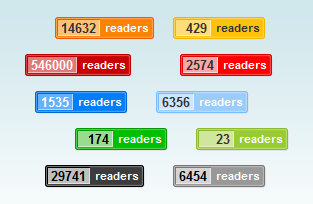
    Each of the blogs comes with an RSS feed. You can run it through a service called Feedburner and see how many people (or bots) read your blogs every day. It also came with a nice counter you can proudly display in your blog sidebar.

    I would check my blog every day to see the updated reader count. It gave me a little ego boost every time it increased.

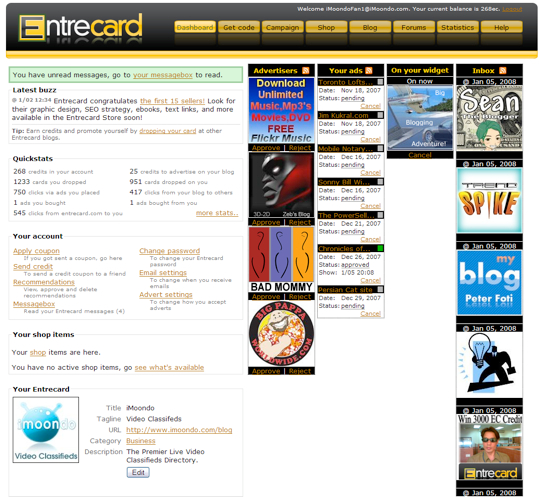
    Entrecard

    It was a square ad code we would put into our blog sidebars. This service served as free advertising for bloggers.

    The card had two parts: the ad and the drop button. Every time you visit a blog’s Entrecard widget, you can click the button and drop a virtual “card” which acts as the currency on this service. For every card drop you earn a credit, while the blog owner also earned credits.

    At the end of the day, you can check your dashboard to see how many credits you earned. Using the credits you can place your ad on other popular blog. This worked as a discovery platform for blogs.

    Read more about Entrecard in this 2008 interview from Problogger

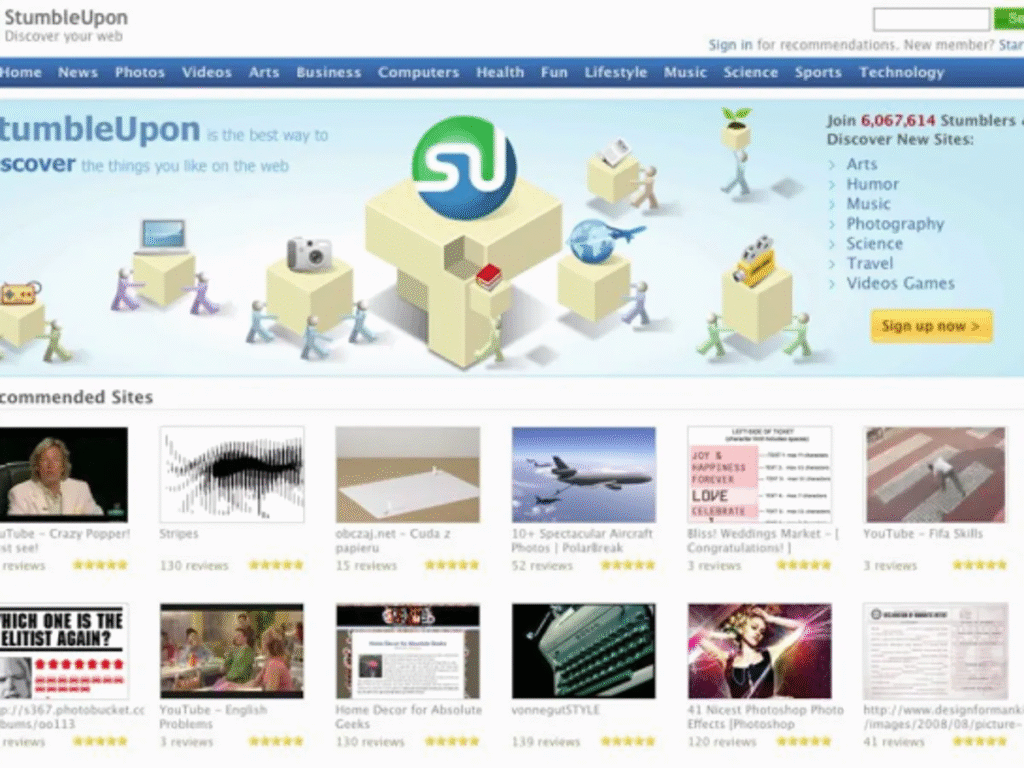
    StumbleUpon

    It was a browser toolbar for Firefox and other web browsers. By clicking the “Stumble” button on the toolbar, you would be taken to a random and interesting webpage. It was a fun way to find internet viral things. I found out about Codecademy through this service.

    Apart from discovering new pages, we could also submit our own blog pages and hope they get picked up by the StumbleUpon algorithm. It was a common practice to “Stumble” (vote) each other’s blog posts.

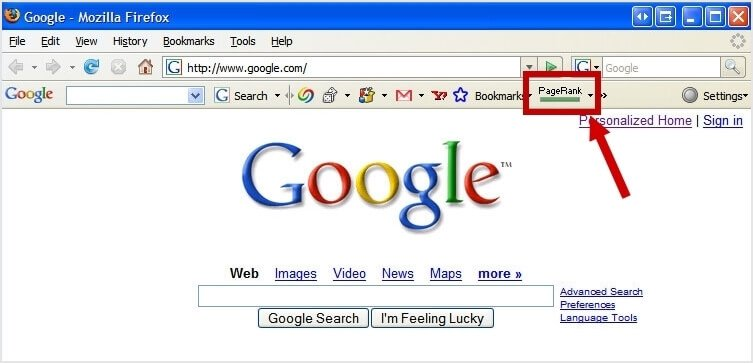
    Google Page Rank Toolbar

    Back then, every website and page had a thing called “Page Rank”. There were toolbars to show your blog’s page rank. Every 3 or 4 months, Google would update its public rankings. My blog had a page rank of 3/10. It was a common practice to sell and exchange links to each other in hopes to gain higher rankings.

    Toolbars

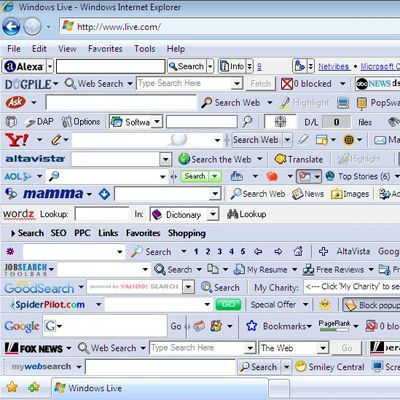
    As you can see, Toolbars were a thing back in the day.

    Before Google Chrome came along, almost every internet service had its own toolbar. Anytime you go to their site, they ask you to install their toolbar to quickly use their app.

    As a result, sometimes your browser would end up something like this:

    I had a tiny 1024×768 resolution monitor. Now imagine how hard it was to navigate the 2008 era internet through these invasive toolbars?

    Technorati blog rank

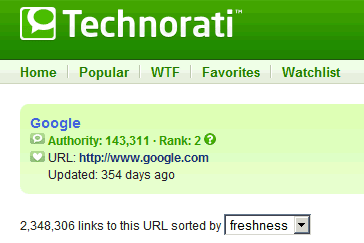
    It was yet another blog ranking score you could have. The Technorati widget and toolbar showed where your blog ranks based on popularity. It was very similar to the Google page rank mentioned above.

    Alexa site rank

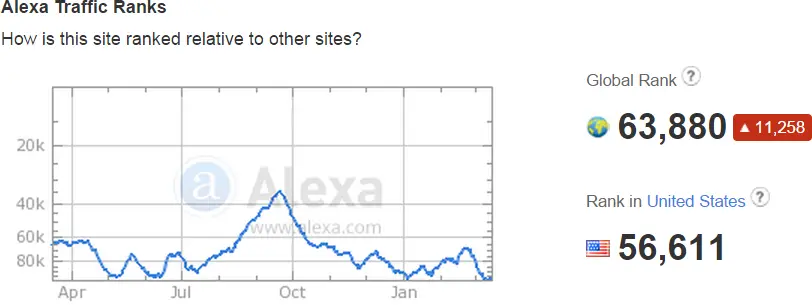
    While we are on the topic of site ranks, there was yet another popular site ranking tool. Before Alexa was a voice assistant, it was called a site ranking toolbar:

    Other than Google’s page rank, the Alexa rank was the next most important factor in blog valuation.

    Digg.com

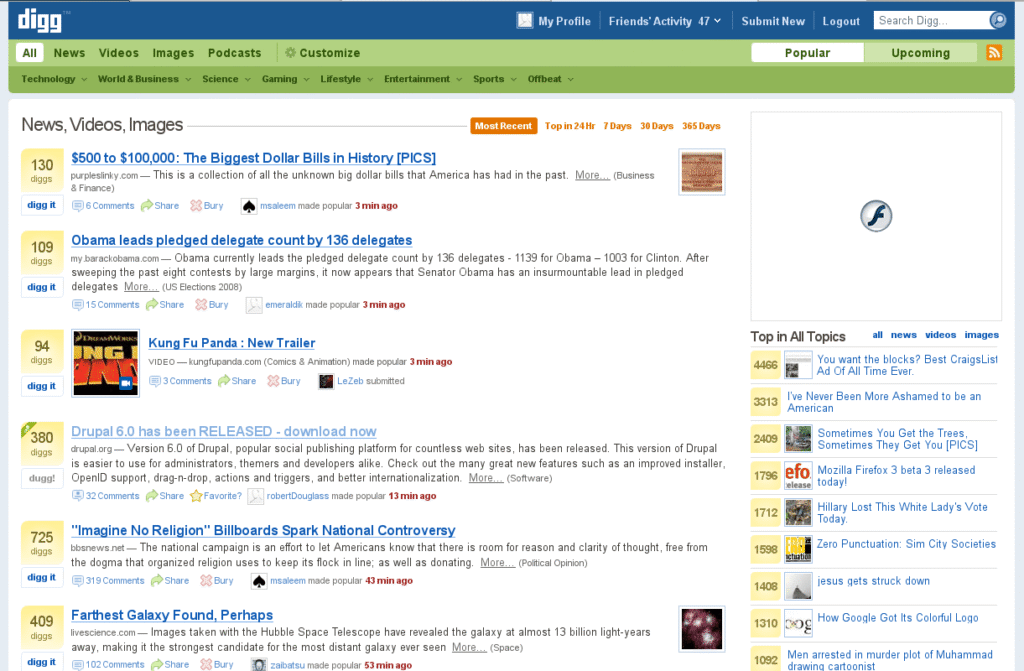
    It was a site similar to Reddit, you could submit your blog posts and get diggs (upvotes)

    I mostly remember about the Digg the candidates campaign, when Digg featured 2008 US presidential candidates on their site.

    Twitter and related services

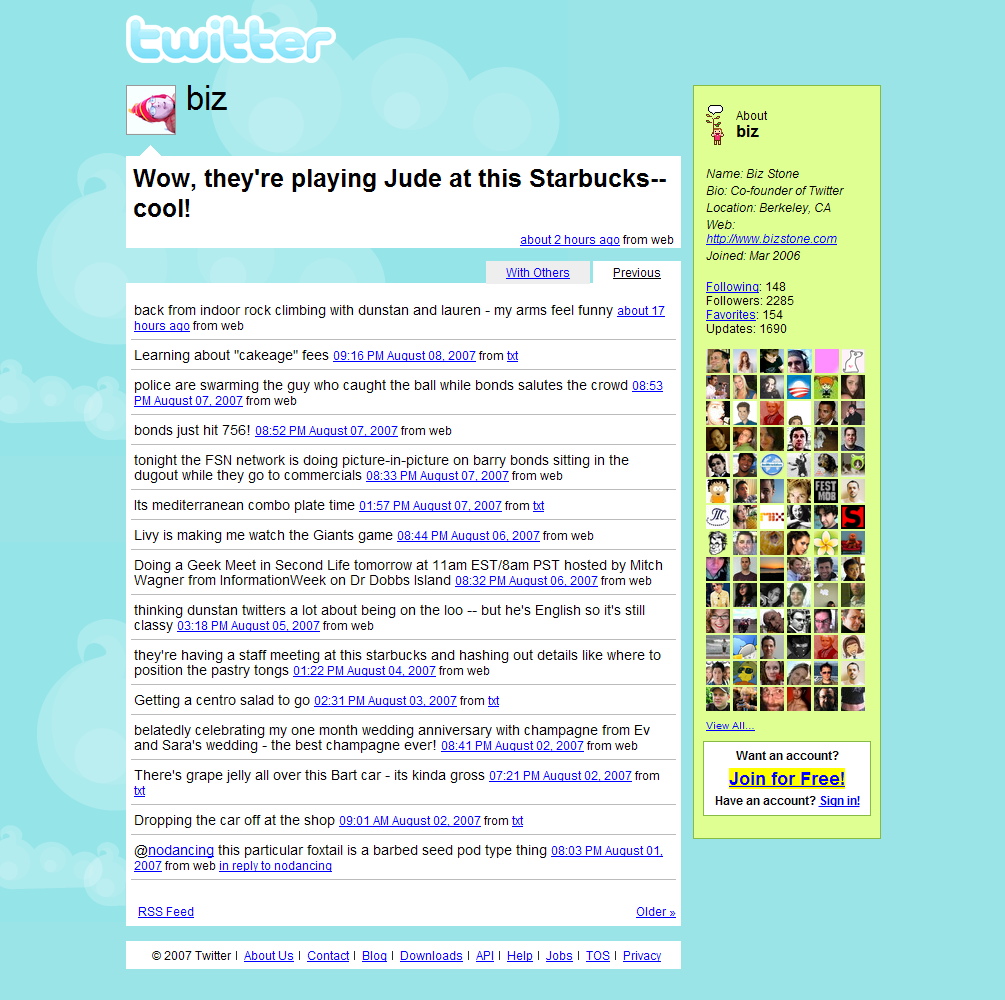
    Back in the day, Twitter was just getting started. It had an API, and it spun a range of services.

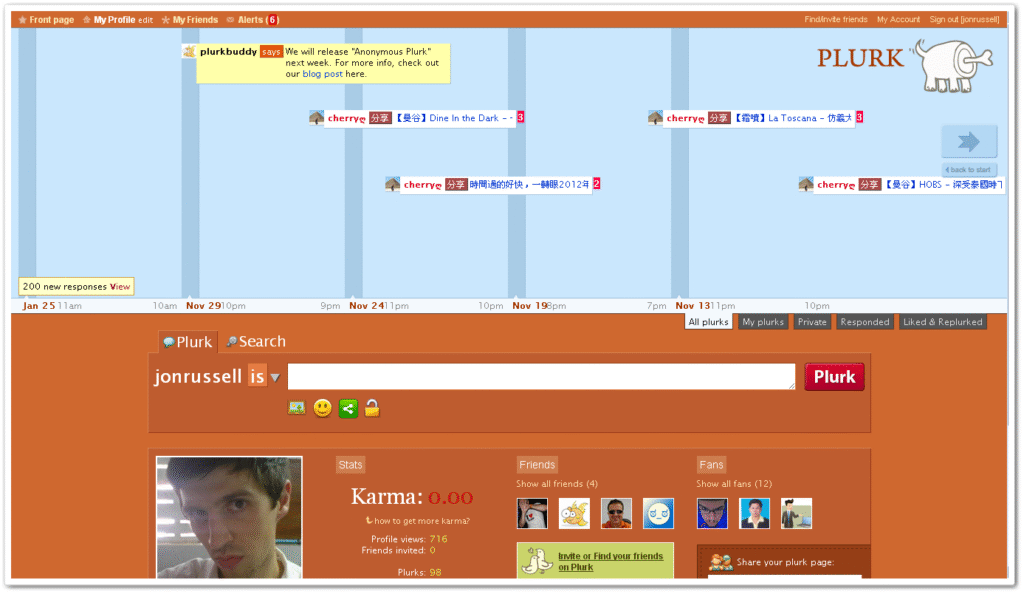
    Twitter started as a “Micro” blogging platform. It was not the only one of its kind. Many Twitter copycats came out with their unique twist. One of them was Plurk. I opened accounts in both Twitter and Plurk.

    Twitter didn’t have images back then. One such service that popped up solving this problem was TwitPic. You could connect to this site and upload an image to TwitPic and put the image link to Twitter.

    TinyURL.com

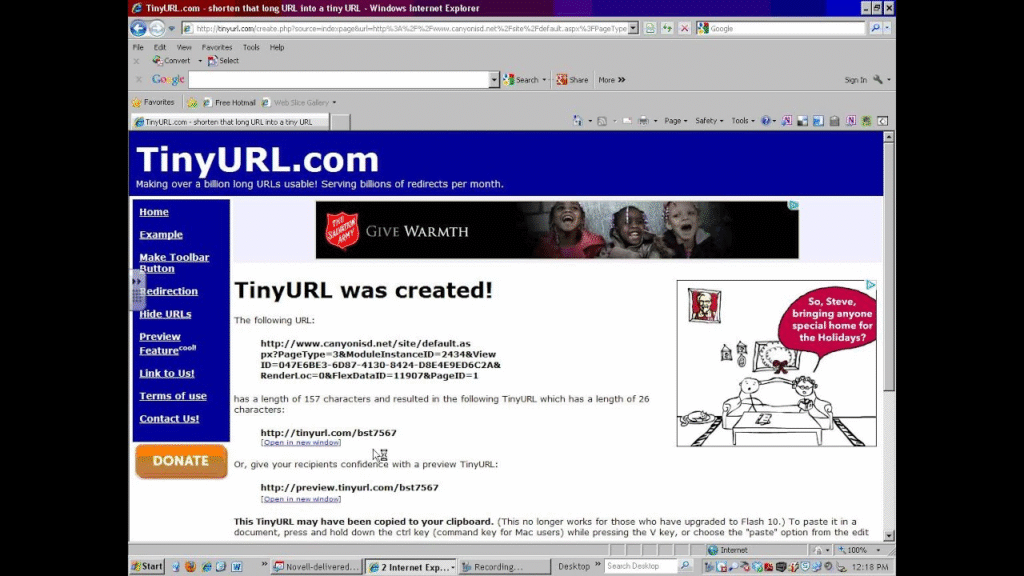
    Twitter had a limit of 140 characters, so long links were an issue. TinyURL was an interesting project -a service that turns long links to tiny URLs:

    This gave rise to some more services:

    • Ow.ly
    • Bit.ly
    • Ad.ly

    And many more.

  • IBM Cloud Object Storage

    object storage cloud

    Recognizing both the benefits and limitations of existing cloud object storage models, Wasabi set out to develop its own solution that would not only remove functional limitations but provide a more cost-effective data storage and management option for businesses of all sizes and across industries. While most cloud object storage solutions will provide the benefit of virtually unlimited scalability, it’s important that organizations get a better idea of what to expect in terms of https://ativanx.com/2022/07/23/odaseva-announces-date-for-data-innovation-forum-for-enterprise-level-salesforce-architects/ performance, which will also be highly dependent on the desired functionality or intended use case. Cloud object storage provides a wide and diverse range of benefits for businesses, particularly organizations with large or frequently expanding data management and analysis needs. In today’s increasingly digital world, businesses on a growth trajectory need effective ways of managing and storing large volumes of ever-expanding unstructured data, from online media such as photo and video content to text-based documents, application data and analytics.

    The file path to a specific piece of data can be long and inefficient, but the trade-off is greater convenience for the user. Object storage supports HTTP and REST, the application programming interface (API) architecture used by most websites and software-as-a-service (SaaS) apps. Developed in the mid-1990s, object storage was created largely to address https://gleecus.com/blogs/why-cloud-computing-in-banking-is-an-indispensable-technology/ the issue of scalability. Discover solutions by using support search or open a support case.

    object storage cloud

    This creates a flat structure, called a bucket, as opposed to hierarchical or tiered storage. Instead, object storage combines the pieces of data that make up a file, adds all the user-created metadata to that file, and attaches a custom identifier. All of our solutions come with advanced features like geo-redundancy, edge caching, and WORM compliance built in, providing easy control over disaster recovery, performance, location, and cost.

    Types of Google Cloud Storage

    • Discover how a unified approach transforms enterprise IT operations.
    • The platform enables organizations to maintain complete data governance while achieving the flexibility and scalability of cloud-scale operations.
    • The Object Storage service is an internet-scale, high-performance storage platform that offers reliable and cost-efficient data durability.
    • Delivers geo-protected data with information dispersal algorithm (IDA) efficiency; available as software only or fully supported appliance solutions.
    • It’s crucial to take into account aspects like cost, performance, data security, and system integration when selecting a cloud object storage provider.

    Azure Files is typically used to achieve high availability for network file shares. Blob Storage lets you store massive amounts of unstructured data as objects in the Azure cloud. The following table summarizes storage services offered by the big three cloud providers. If a vendor operates private clouds, you are typically charged based on the resources you are using and the level of support needed.

    Best for backup and archive workflows: Backblaze B2 and Wasabi

    A managed solution for migrating large datasets from on-premises or other cloud providers. It enables reliable performance and high availability for storing and sharing files. In addition, Google Cloud Platform provides a number of cloud storage choices, each with special features and applications.

    object storage cloud

    Discover how IBM Cloud Object Storage helps organizations store and protect unstructured data at scale. Modern organizations use different storage architectures depending on their specific needs and types of data. Rather than maintaining large, in-house storage networks, businesses could now access storage as a service (STaaS)—reducing costs while gaining speed and scalability. Today’s implementations support advanced features like intelligent data tiering, versioning capabilities and integration with Kubernetes and other platforms that automate container orchestration. Google Cloud Storage is a secure, scalable, and high-performance storage solution that lets businesses store, manage, and retrieve data effortlessly. While file storage can technically handle unstructured data, it’s typically not well suited to dealing with large amounts of unstructured data storage.

    Object storage removes the complexity and scalability challenges of a hierarchical file system. Unlike traditional file systems, there are no true folders, directories or complex hierarchies—though folder-like structures can be simulated by using naming conventions. Object storage offers cost-effective, massively scalable storage for unstructured data that exceeds the practical limits of block and file solutions. Block storage works well for critical business applications, transactional databases and virtual machines that require low-latency, granular or more detailed access to data and consistent high performance.

    Cloud Object Storage vs. Other Storage Solutions

    It is commonly used in Kubernetes, private cloud, and self-hosted environments. But not every team needs the whole AWS universe just to store and serve files. That matters when slow file movement delays workflows or when bandwidth costs make infrastructure bills harder to predict. Filebase is built for modern file-heavy workflows where storage speed and transfer economics directly affect the product. Egress fees can make cloud object storage expensive when data is frequently downloaded or moved between systems. Faster uploads and downloads matter when storage sits in the path of users, background jobs, or customer-facing workflows.

  • Guarda Wallet Restore From Seed: Testing Recovery on a Fresh Device Before You Actually Need It

    A user holds cryptocurrency across multiple networks through a non-custodial Guarda Wallet on their primary phone. The wallet contains Bitcoin, Ethereum tokens, staking positions, and NFTs—assets representing real value that would be costly or impossible to replace if the recovery process failed when it mattered. The recovery phrase was written down during initial setup, stored in what seemed like a safe location, and has never been tested. The implicit assumption is that if the primary device is lost, stolen, or corrupted, restoring from the seed phrase will work exactly as expected. That assumption is often wrong.

    Testing a recovery phrase on a secondary device is not an optional advanced step. It is foundational security practice for anyone holding self-custodied assets. A Guarda Wallet recovery phrase is the single point of failure that protects everything it generates. If the phrase is incomplete, miswritten, stored in a place you cannot access during an emergency, or produces an unexpected wallet address structure, the consequences emerge only when recovery is necessary. A fresh device restoration test reveals these problems while the primary wallet still exists, allowing correction before genuine loss occurs.

    A visual representation of wallet recovery interface showing seed phrase input, device restoration flow, and address verification between primary and secondary devices

    Why recovery phrase testing is not optional security theater

    A recovery phrase is a standardized human-readable representation of the private keys that control every address and asset within a wallet. For Guarda Wallet, this phrase is typically 12 or 24 words, generated locally on the device during wallet creation. The phrase serves as the master secret: if someone obtains it, they can restore the entire wallet and access every asset without needing the original device or any password. If you cannot locate or correctly transcribe the phrase, you cannot recover the wallet. The cryptographic guarantee that one phrase produces one specific wallet address set is mathematically sound, but only if the phrase itself is correct.

    Many users believe that recovery is symmetrical: if they generated the wallet with Guarda Wallet on their phone, they can restore it the same way on any device. This is true in principle. In practice, recovery testing uncovers mistakes in phrase transcription, storage conditions that degrade readability (ink fading, water damage, illegible handwriting), incorrect key derivation assumptions, and confusion about which backup is the correct one when multiple devices have been used. The recovery phrase you wrote down at setup may have a typo introduced during transcription. The paper may be stored in a location that is inaccessible during an actual emergency. The word order may have been scrambled when copying between devices. Testing surfaces these problems while recovery remains optional rather than desperate.

    The cost of discovery is also asymmetrical. Testing recovery from a secondary device when your primary wallet still exists takes one or two hours and produces either confirmation that the process works or a clear list of problems to fix. Testing recovery only when your primary device fails can result in permanent loss of access. Guarda Wallet, as a non-custodial self-custody wallet, means the company has no ability to recover your assets if the recovery phrase is lost or corrupted. No customer support can unlock the wallet. No account recovery process exists. The recovery phrase is not a backup of a service-controlled account; it is the only representation of your private keys that matters.

    Preparing a secondary device for the recovery test

    The secondary device should be separate from your primary device and independent of the account or identity linked to your primary setup. If your primary device is an iPhone using your Apple account, the secondary device could be an Android tablet, an older Android phone, a Windows computer, a Mac, or a Linux machine. Guarda Wallet runs on multiple platforms: desktop applications for Windows, macOS, and Linux; mobile apps for iOS and Android; and a web-based wallet interface. For practical testing, a secondary device that differs from your primary platform can help verify that the wallet functionality is consistent across system boundaries.

    Before installing anything on the secondary device, ensure it is in a known secure state. If it is an older device you have not used recently, power it on, check for any obvious corruption or malfunction, and consider backing up any existing data you want to preserve. Download a fresh copy of Guarda Wallet from an official source to ensure you are not introducing compromised software. The download page at sites.google.com/cryptowalletextensionus.com/guarda-wallet-download/ provides installation packages for all supported platforms.

    On mobile devices, enable biometric authentication (face recognition or fingerprint) as you would on your primary device, so you can test that component of the security flow. Set a strong password locally for the wallet application. The goal is to simulate a realistic device state, not an artificial stripped-down one. If your primary device uses biometric access and a password-protected wallet, and your secondary device does not, you are not testing the same security posture. Consistency across the test reduces the chance of discovering a mismatch during an actual emergency recovery.

    Walking through the recovery phrase restoration process

    Start with the recovery phrase written down or stored in whatever format you actually use. Do not transcribe it again into a new format for the test. If you have the phrase in a safety deposit box, retrieve it. If it is written on paper in a drawer, use that exact copy. If you stored it in an encrypted note-taking application, pull up that application. The test should replicate the exact recovery conditions you would face during an emergency, including any friction or difficulty accessing the stored phrase.

    Open Guarda Wallet on the secondary device and select the option to restore from a recovery phrase or seed. The interface will prompt you to enter the phrase word by word or in a block, depending on the platform and application version. Enter the phrase exactly as stored. If you are entering from handwritten notes, this step will reveal whether your handwriting was legible enough, whether abbreviations you used are unambiguous, and whether you can distinguish between similar-looking words (such as “week” and “weak”). Do not assume that you remember the phrase from memory; use only the stored version to discover whether the stored version is complete and readable.

    Watch for any prompts asking you to select a derivation path, choose a network, or specify how many addresses to generate. Guarda Wallet handles these automatically for most users, but edge cases can arise if your original wallet was created with custom settings or if the application was updated between backup and recovery. If the interface shows options, record them and check your primary device to confirm that the settings match. Mismatched derivation paths will produce different addresses, making it appear that recovery failed when in reality the wallet was restored with a different configuration.

    Once the recovery is complete, the wallet will display a wallet address. This is the critical verification moment. Open your primary device, navigate to the first address in your primary Guarda Wallet, and compare it exactly with the address shown on the secondary device. They must match character for character. If they do not, something went wrong: the phrase may be incomplete, a word may be misspelled, or the derivation path may be different. Do not dismiss the discrepancy. Stop the test and investigate.

    Verifying address consistency across devices

    A single address match is necessary but not sufficient. The recovery phrase security guarantee depends on consistency across multiple addresses. Navigate to the second, third, and tenth addresses in both wallets and compare them. Generate a new receive address on both devices and verify that it matches. Send a small transaction on your primary device and confirm that it appears in the history on the secondary device. This step confirms that the secondary device is correctly reading the blockchain state and that the private keys controlling these addresses are identical.

    Pay attention to the asset lists and balances as well. If your primary device shows 10 assets across multiple networks but the secondary device shows only 3, something is wrong. It could indicate that Guarda Wallet on the secondary device is configured to show a different subset of networks, that not enough time has passed for the blockchain to sync, or that the recovery process did not complete correctly. Wait for the wallet to finish syncing (which may take several minutes for the first sync), then compare again.

    If you have staking enabled on any assets in your primary wallet, check whether staking information displays on the secondary device. Staking data is derived from the blockchain state associated with your addresses, so it should appear on any correctly restored wallet. NFTs stored in your primary wallet should be visible on the secondary device as well, though image rendering may differ based on network conditions or NFT marketplace availability. These checks are not decorative. They confirm that the secondary device has full access to the same assets and account state as the primary device.

    For multi-account wallets, repeat this process for each account. Guarda Wallet allows users to create multiple separate accounts within the same recovery phrase. If you have one account for long-term holdings and another for frequent trading, restore both and verify that each account derives the correct addresses. Some users create additional accounts over time without documenting them, which can lead to a situation where the phrase is correct but only the initial account is restored. A complete test should include checking whether you have multiple accounts and restoring them all.

    Testing exchange and DApp functionality on the restored wallet

    Recovery is not limited to passive address verification. The secondary device should be tested for the wallet features you actually use. If you regularly access the built-in exchange functionality to swap tokens, perform that transaction on the secondary device with a minimal amount. Confirm that the exchange rate, fees, and settlement work as expected. If you interact with DeFi platforms or NFT marketplaces through the Guarda Wallet browser extension or Web3 integration, connect the secondary device to one of those platforms and attempt a test interaction (without committing real funds). Can you sign a transaction? Does the wallet correctly display the contract terms and amounts you are approving?

    This functional test serves two purposes. First, it confirms that the restored wallet has full capability and is not partially corrupted or missing critical information. Second, it builds your confidence in using the secondary device if you ever need to actually recover because your primary device is unavailable. A wallet that restores perfectly but has an interface glitch or connectivity problem you did not discover until you actually needed it creates a different kind of emergency.

    On mobile devices, test the biometric authentication flow. Lock the wallet, then unlock it using the fingerprint or face recognition. Confirm that you can access your recovery phrase from the settings (this should require password confirmation on most mobile wallets as an extra security layer). If you cannot locate this option or if the biometric authentication fails repeatedly, document the problem and investigate it on your primary device. The goal is to discover and fix any friction points before the stakes are high.

    Documenting what you learned and fixing any gaps

    After successful restoration and testing, document the results. Create a simple checklist: recovery phrase entered correctly (yes/no), first address matched (yes/no), staking information visible (yes/no), exchange function worked (yes/no), DApp interaction successful (yes/no). Note the date of the test and which device was used. This record is useful both for your own confidence and as a timeline in case you need to dispute with support that recovery was impossible (it won’t be useful for that, since support cannot help, but it establishes that you tested successfully at a specific date).

    If the recovery failed at any step, investigate immediately while both devices are still available. Common failure points include: a word in the phrase written ambiguously (for example, “l” versus “1”), a word missing from the phrase (recovery typically fails with clear error messages if the word count is wrong), an incorrect derivation path selected during recovery (check both devices for options), or a mismatch between the backup you thought was current and the actual primary wallet. If you cannot resolve the discrepancy, you now have the opportunity to create a new backup from the primary wallet with a more durable storage method or more careful transcription.

    A recovery phrase that has been tested and verified is an asset. A recovery phrase that has never been tested is a liability: it may be incomplete, illegible, or stored in a location you cannot access in an emergency. The difference between the two is one afternoon spent deliberately trying to recover from that phrase while your primary wallet still exists. That time investment directly reduces the risk of permanent asset loss when a genuine recovery emergency occurs.

    Building a sustainable backup and recovery routine

    Recovery testing should not be a one-time event. If you create a new backup—perhaps because you added significant new assets and wanted to verify the phrase still grants access to everything—test that backup on a secondary device. If you change your backup storage method (moving from paper to a metal plate, for example), restore from the new storage method to confirm it is readable and intact. Periodic retesting also catches degradation: paper can fade, ink can smudge, and your own handwriting may become less legible over time.

    Set a calendar reminder for annual or biannual recovery testing on a secondary device. This does not need to be elaborate. Allocate an hour, retrieve your backup, restore it on a device you have available, verify that the first address matches your primary wallet, and confirm that your assets are visible. The time scales to longer intervals if your wallet is inactive (no new addresses, no new transactions), but active wallets benefit from periodic verification that the recovery phrase still works as expected.

    Document the location of your recovery phrase in a way that someone you trust could understand in an emergency. “The seed phrase is in a safety deposit box under the name John Smith at the First National Bank in Springfield” is vastly more useful than “it’s in my safe place.” If you are concerned about a single point of failure, consider splitting the phrase across multiple secure locations (one option is to store odd-numbered words in one location and even-numbered words in another, which requires both locations to reconstruct the phrase but prevents any single location from being sufficient). Whatever method you choose, test that method as part of your recovery routine.

    Why this matters for your financial security

    Self-custodied assets place the entire burden of security and recovery on the user. Guarda Wallet’s strength is that you control the private keys; the corresponding responsibility is that you must ensure those keys remain accessible. Recovery testing is not about finding defects in the wallet software (Guarda’s wallet installation and restoration process are well-established and reliable). It is about finding defects in your backup storage, your transcription process, and your own backup procedures before they matter. The test itself costs nothing beyond time. The alternative—discovering during an actual emergency that your recovery phrase is incomplete or illegible—costs everything.

    The worst time to discover that your backup does not work is when you need it. The best time is when your primary wallet still exists and you can fix the problem by creating a new, better backup or by adjusting your recovery procedure. A recovery phrase that has been tested and verified to work provides genuine security and genuine peace of mind. A recovery phrase that has never been tested is a hope that will often turn out to be false.

    Frequently asked questions

    What should I do if my recovery phrase does not produce the same addresses on the secondary device?

    Stop the test and investigate. The most common causes are a misspelled word in the phrase, a missing or extra word, or a mismatched derivation path. Check the phrase word by word against your backup, ensure you are entering it exactly as written, and verify that both devices are using the same derivation settings. If the issue persists, create a new backup from your primary device with more careful transcription or a more durable storage method.

    How often should I test my recovery phrase?

    At minimum once at the time of backup creation, before you rely on the backup. After that, test every 6 to 12 months, or immediately after moving your backup to a new storage location or updating your backup for any reason. Active wallets with frequent transactions benefit from more regular testing. The test itself takes only an hour and provides direct evidence that recovery will work if you need it.

    Can Guarda Wallet support help me recover if I lose my recovery phrase?

    No. Guarda Wallet is a non-custodial wallet, which means the company has no access to your private keys or recovery phrase. If you lose the recovery phrase and no longer have access to your primary device, your assets are permanently inaccessible. There is no account recovery process, no backup held by the service, and no emergency retrieval option. The recovery phrase is your only way to recover the wallet.
  • Example Post for WordPress

    This is a sample post created to test the basic formatting features of the WordPress CMS.

    Subheading Level 2

    You can use bold text, italic text, and combine both styles.

    1. Step one
    2. Step two
    3. Step three

    This content is only for demonstration purposes. Feel free to edit or delete it.